
“Don’t speak about your brand yourself; Let good people speak good about it to make the world believe the good in it.”
Mark Zuckerberg once said, “People influence people.” This seems to be true enough when it comes to marketing. We see many advertisements on various channels, but rarely do we rush to buy a new product or service. But if the same product is recommended by a close friend or relative, we are most likely to buy it.
Such is the power of influencer marketing!
Based on the foundation of word-of-mouth and recommendations, influencer marketing has long been in existence. While earlier celebrities were approached to endorse brands, individuals with a dedicated social existence are also considered “influencers” by most brands today.
Before we dig deeper into the topic, let us understand the fundamentals of Influencer Marketing. For more detailed insights on brand influencer marketing and actionable strategies, let’s chat. In my 22 years of experience as a professional and then as the CEO of a marketing agency, I’ve seen many brands hit it out of the park with influencer marketing- while others have failed. Let’s sit together and figure out what influencer strategy can work best for your brand.
WHAT IS INFLUENCER MARKETING?
Influencer marketing is all about influencing or motivating the audience to buy products and services on social media channels. Brands reach out to influential people to increase traffic and sales for their services or products.
This type of marketing works really well for brands because it is based on the trust and bond between the influencers and their audience.
In return, the influencers are paid a handsome amount (or other things that add value) by the marketers. You would be amazed to know that Selena Gomez earns about $550,000 for one sponsored Instagram post, while Cristiano Ronaldo makes about $400,000 a post.
Influencers are like content machines, pumping out pieces of content that engage a large number of people over the internet. They create high-quality content that is used to build unrivalled brand awareness. Since consumers are more likely to trust the recommendations of their favorite personality than the brand itself, it is easier for the brands to build their success on it.
So, how can brands use influencer marketing strategy to meet their business goals?
LEVERAGING INFLUENCER MARKETING
Undoubtedly, influencer marketing has made decision-making interesting and marketing easier for the audience and brands, respectively. The fact that influencer marketing has won the trust of nearly 89% of marketers for generating better ROI than any other marketing channel says it all about this marketing technique.
However, just like every other marketing tactic, influencer marketing also demands deliberate planning. Sending free things to the audience won’t help you find strategic success in the real world.
So, how can this be achieved?
1 Hunting the right influencer for your brand
Working with influencers is way cheaper than paid advertising, only if you have the right brand influencer standing by you. The first criterion to find the perfect influencer for your brand is their REACH. A social influencer with 1000 followers may be able to generate some results, but an influencer with 100,000 followers can do some real wonders for your brand. This is simple – The larger the following, the better the reach.
However, here’s a catch!
Not every social media user with a huge following on their channel can be considered as an ideal influencer. All thanks to paid marketing that has aided users to buy followers for their social channels. To overcome this challenge, you should take into consideration the past engagement records of the influencers. This will help you understand if their words really matter to their audience.
2 Approaching the Influencer for Partnership
Reputation plays a crucial role in influencer marketing, both for the brand and the influencer. How? No influencer would put their reputation at stake for supporting a brand that fails to offer them a pleasing value. Therefore, it is important that you approach the influencers in the right way, stating what’s in it for them.
Firstly, the way you approach speaks a lot about your brand. Don’t opt for cold calling, as you might end up annoying the social media influencer. Instead, think about common interests you both have and bring them into line with your motive behind approaching them. Whether or not you are an avid fan of their channel, you should be able to tell them how their work relates to the goals of your brand.
Secondly, make a great offer that viral influencers find worth investing their time and efforts. Simply offering them a budget won’t work here. You can also include offering social shares from your own channel, the ability to get free products, or making them your first-time user for every new product, etc.
Remember, influencers want to increase their reach and engagement. Make sure your influencer marketing campaign comes out to be a mutually benefitted arrangement.
3 Creating the Right Campaign
A goal without a proper plan is a failure. No matter how efficiently you might have accomplished the first two steps, failing to have a surefire campaign will take your brand to nowhere. Therefore, take into consideration two important aspects of your influencer marketing campaign: 1) Goal, 2) Message.
While it’s true that every brand aims to boost its brand awareness and sales, kicking off on your strategy by working on your brand’s current needs seems to be more effective. For instance, you may want to increase your customer base in a specific location or demographic, or build a customer base for your new product, or simply spread your brand values. For your digital influencer marketing campaign to succeed, you should be clear about your goals. Only then you will be able to properly communicate your needs to the social media influencer.
Determining your goals will ultimately help you create your message. Remember, your brand influencer can help you reach a specific audience who is likely to be interested in your services or products. While it depends on an influencer’s ability to spread the message in a very creative way, it is important for you to create a message that sticks to your goals.
WHY WORK WITH AN INFLUENCER MARKETING AGENCY?
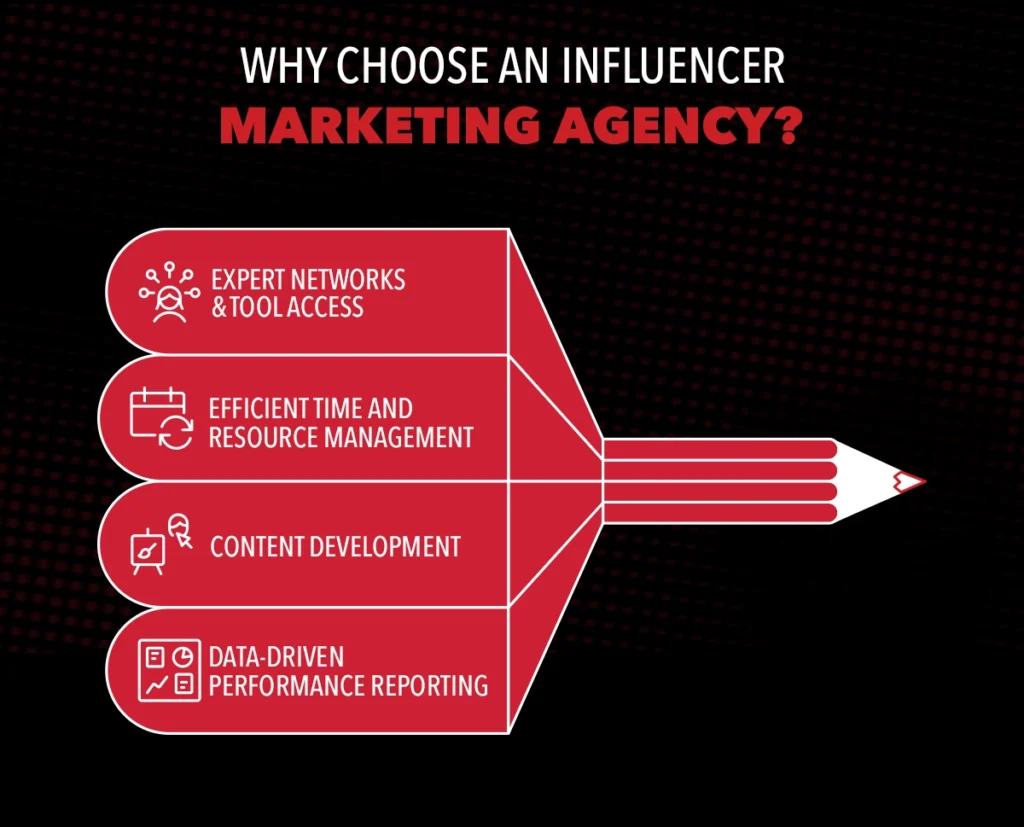
An influencer marketing agency makes sure that your influencer marketing campaign remains effective and delivers goal-oriented results. When you work with an influencer marketing agency, you get access to specialized expertise, talent networks, and streamlined campaign management. These agencies handle every aspect of influencer campaigns, including partner selection, negotiation, content strategy, and performance analysis.
Let’s look at the key benefits:
- Access to Expert Networks & Tools – These agencies have long-term professional rapport with influencers and use specialized technology to find the best, matching partners.
- Time Efficiency & Resource Management – These entities manage the entire, complex process—including contract, content approval, and communication —reducing administrative workload.
- Strategic Campaign Development – They define clear KPIs, select the right formats for digital platforms, and optimize campaigns for maximum conversions and ROI.
- Content Creation – They ensure the content is high-quality, authentic, and syncs well with your brand identity.
- Data-Based Performance Reporting – These agencies offer detailed analytics and clear reporting on major metrics and insights for future campaigns.
With our years of experience, we can help you find influencers that best fit your budget and goals. We believe that it’s not always about finding a big name to promote your brand, but somebody who could make true and significant efforts to help you meet your business goals.
When to Use It?
Brand influencer marketing is never a one-size-fits-all approach. To make the most of it, you must focus on timing. Try to rope in a brand influencer to make a splash- like launching a new lineup, revamping product ranges, or rolling out a seasonal campaign. The ‘India Influencer Marketing Report 2025’ shows 63% of overall product discovery in all categories is driven by influencers.
However, remember that timing isn’t just about the calendar; you have to focus on the audience’s readiness. Plan and sync your influencer campaign when your target users are actively engaging with similar content for the desired impact. Micro-influencers can be very useful in such phases. They offer your brand highly targeted reach within specific niches for more genuine connections.
However, influencer marketing isn’t only for major events. You can also use it for community building throughout the year, in sectors where trust and authenticity matter; it is more effective. The Kantar Influencer Playbook report shows 67 per cent of Indians trust influencer recommendations over regular ads.
Choosing the Right Type of Influencer
Brands that use influencer marketing taste success, but it is necessary to choose the right influencer for campaign success. You can pick from the following:
- Macro-influencers – Those influencers with 100K+ followers are ideal for far-reaching campaigns and mass visibility. However, there is a factor of engagement dilution, too. Followers may not always be likely to interact with branded content.
- Micro-influencers – Influencers with 10K–100K followers, offer higher engagement rates in general. You can choose them to explore niche markets successfully. An Influencer Marketing Hub study shows 94% of marketers feel that micro-influencers are useful for driving brand engagement.
- Nano-influencers – These influencers typically have 1K–10K followers with highly engaged, loyal audiences. That leads to authentic and personalized interactions in spite of the smaller reach.
Influencers in digital marketing should not be chosen by numbers alone. More than just the reach, you have to analyze factors like Brand fit, audience alignment, and the type of relationship they have with their followers. Quality over quantity will lead to lasting results.
Do you feel unsure about choosing the right type of influencers for your company? Rely on our expertise in offering branding and digital marketing solutions to hundreds of businesses in India and abroad.
How to Develop Trust and Credibility through Influencers?
Brand influencers are not only content creators, but they also serve as trust builders. With more buyers preferring influencers far more than traditional ads, they have become valuable for building authenticity and credibility.
Before using an influencer to promote your brand, think of them as a brand ambassador. Will their values, tone, and relationship with their audience sync with your brand mottos? A genuine endorsement leaves a strong trust print on the followers, leading to solid brand engagement. Glossier’s success is partly owing to its strategic use of influencers, who are real product users.
Beyond content posting, influencers should engage with their followers in meaningful ways. They must revert to comments, share BTS moments, and offer real views of services/products. This leads to better transparency and a deeper connection with followers.
Think of your influencer advertising strategy like a long-term partnership rather than a one-time alliance for stronger trust and credibility. To create and implement a suitable influencer marketing strategy, you can always count on my two decades+ long experience in branding and digital marketing. A case in point is the Natureltein marketing campaign, done by BrandLoom.
How to Manage Influencer Campaigns and Measure ROI?
Effective influencer marketing is not only about finding the right people, but you must also focus on managing the influencer campaign and analyzing its impact. A majority of marketers struggle with ROI measurement from influencer campaigns. The hurdles include the absence of clear KPIs and tracking mechanisms.
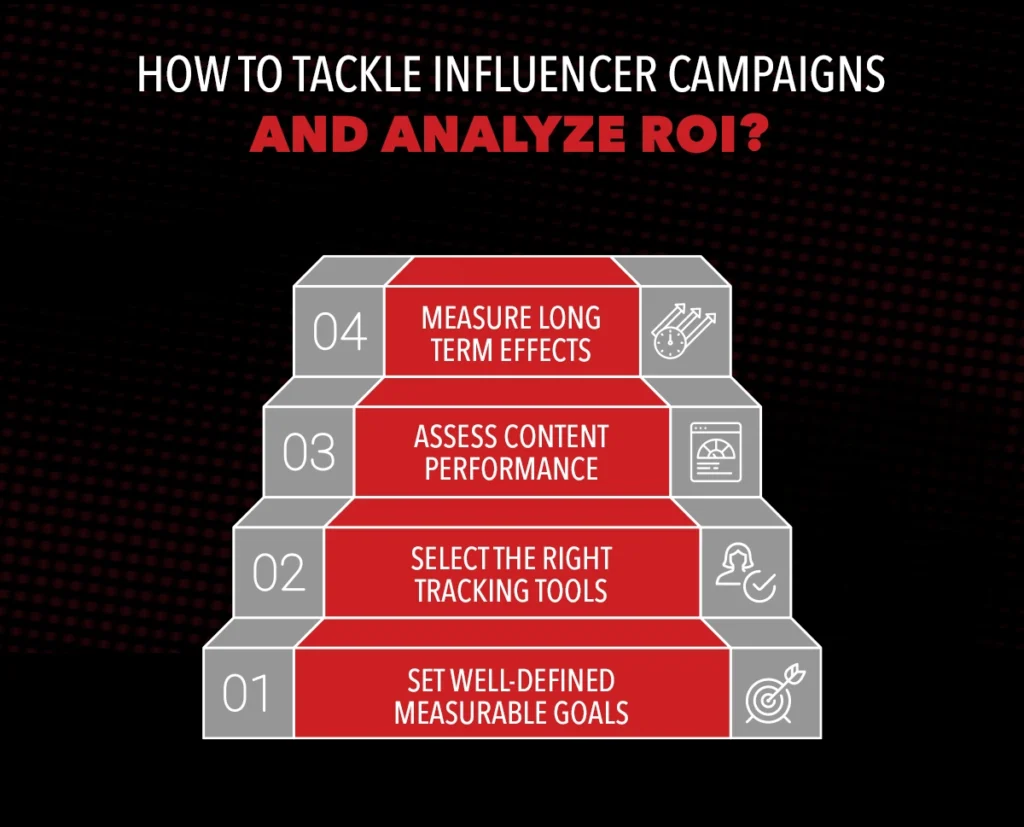
1. Set Clear, Measurable Goals
Before launching your campaign, know what you want to achieve. Will it be for brand awareness, engagement, or sales conversions? In any case, set specific KPIs syncing with your business objectives. Use tools like Google Analytics to track your website traffic.
2. Choose the Right Tracking Tools
Use custom tracking links or UTM parameters to monitor the performance of influencer posts. Such tools help you track traffic, conversions, and click-through rates directly from the posts if your influencers use affiliate links and custom discount codes that are better for tracking accuracy.
3. Analyze Content Performance
Assess the engagement rates, comments, and shares on each post created by the influencers. See if their followers are interacting with the content or not. Track how the campaign is resonating with your target audience. If necessary, you can tweak the type of content or even the social media influencer involved.
4. Measure Long-Term Impact
Influencer marketing doesn’t just affect short-term sales. You must track organic search traffic, brand recall, and consumer sentiment after running an influencer campaign. This will help you analyze the long-term effect of your campaign.
To get a better insight into what successful influencer campaigns can bring, have a look at the campaign done by BrandLoom for an American automotive brand. The result was a staggering 75% increase in brand awareness, 25% Increase in Sales, and a 2% growth in market share.
The Role of AI
Like all sectors, AI has seeped into the digital influencer marketing sector. AI tools are changing the way brands find, manage, and analyze the success of influencer marketing campaigns.
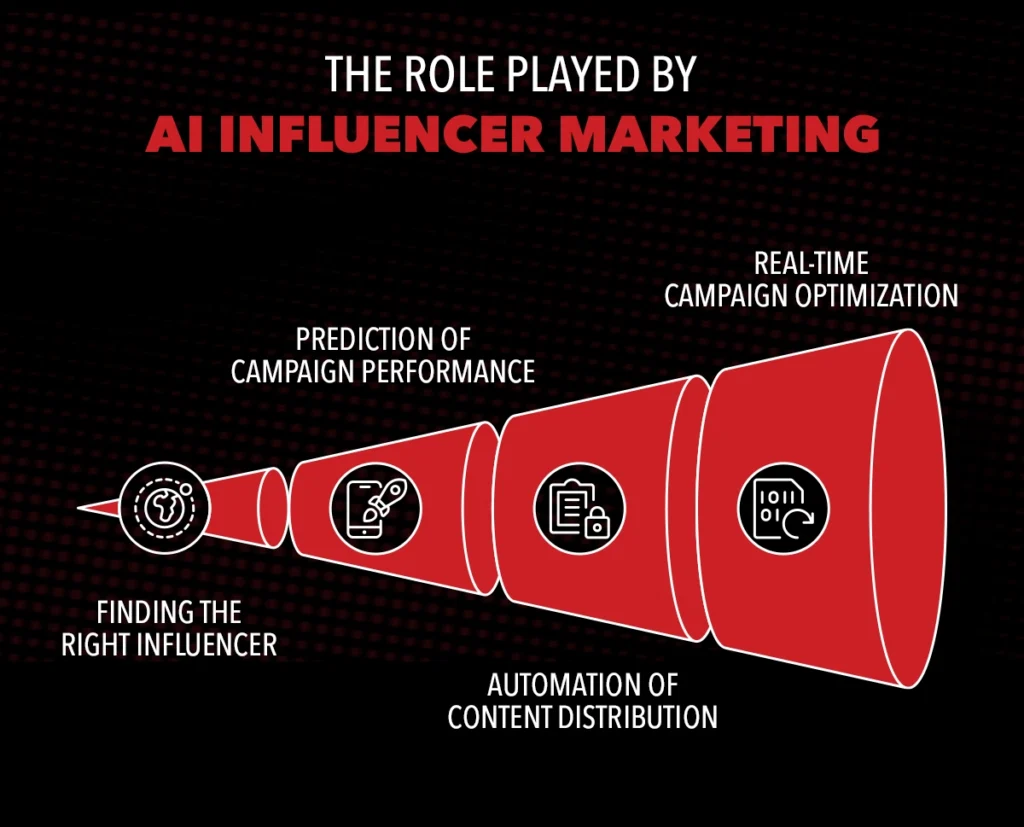
1. Identification of the Right Influencers
AI-driven tools help you quickly identify the matching brand influencers by checking their audience demographics, content relevance, and engagement patterns. You can use Platforms like Upfluence and HypeAuditor. These tools use advanced AI tech to scan huge amounts of social media data and rank influencers based on engagement quality and authenticity.
2. Campaign Performance Prediction
How do you know if an influencer marketing strategy or campaign will work or not? Well, you can take advantage of the predictive analytics features in new-gen AI tools. AI tools like Grin use machine learning to predict metrics like engagement rates, reach, and conversion rates. This helps brands make informed decisions before designing a campaign.
3. Content Distribution Automation
With AI tools, you can automate content distribution across several platforms. AI-based software can figure out the ideal times for content posting for platforms like Instagram and LinkedIn, for example. They can also optimize hashtags and even suggest creative directions as per audience behavior analysis for influencer advertising efficacy.
4. Real-Time Campaign Optimization
AI tools help you observe influencer performance in real time, and then you can make adjustments on the fly. These tools suggest suitable tweaks like influencer selection, messaging changes, and audience profile changes. Data-driven decision-making helps you maximize campaign outcomes.
Some Real-world Examples of Successful Influencer Campaigns
Now, we will look at some well-known examples of brands using influencer marketing successfully.
1. Daniel Wellington
A prominent example of using influencers to promote your brand is Swedish watchmaker Daniel Wellington. The company collaborated with influencers across Instagram and became a household name. The notable thing is that they chose micro-influencers over huge celebrity endorsements. The result was a massive boost in sales, increased brand awareness, and social proof.
2. Glossier
Glossier, a top beauty brand, relied on word-of-mouth and community-based influencer marketing to grow a loyal fanbase. Their followers became their brand ambassadors and offered referral discounts, as well. This unique influencer marketing strategy was based on real, relatable beauty influencers, and that helped the brand develop a strong bond with its target users.
3. Gymshark
A popular fitness apparel brand, Gymshark, collaborated with athletes and fitness influencers. This approach helped them tap into the thriving fitness community on social media circles. They chose influencers who really loved their products. These authentic endorsements, social media influencer marketing, and UGC improved trust and brand visibility.
4. Ashley Stewart
A US apparel brand aimed at plus-sized women, Ashley Stewart, used integrated marketing campaigns to venture into the bridal wear segment. Aided by BrandLoom’s custom and effective AI-powered integrated marketing strategy, it experienced great success. The strategy of using micro and macro influencer plans across TikTok, Instagram, and YouTube struck gold, bringing it ROAS of 18.69 and 226K Unique Visits.
Conclusion
Influencer marketing has become an effective and powerful tool in the toolkit of any modern marketer. It helps brands connect with highly engaged, authentic audiences. It improves brand awareness, trust, and conversion in ways regular advertising simply can’t match. You can pick suitable micro-influencers to foster deep community connections, and macro-influencers help spread mass visibility.
You must choose the right brand influencer and develop an influencer campaign with a focus on brand value alignment and performance tracking. It is also necessary to incorporate AI in developing influencer advertising strategies. This will help you save time and get the desired outcome.
Ready to take your brand to the next level with cutting-edge social media influencer marketing? You need the right consultant and strategist for planning and consultation. As a branding expert and digital marketing consultant with a decade of experience, I can guide you. For specialized digital influencer marketing strategies and campaigns that align with your brand goals and improve ROI consistently, contact BrandLoom.
Contact us to plan and turn your influencer marketing campaign into a long-term brand growth engine.
FAQs
What is the use of influencer marketing?
Influencer marketing lets brands amplify their messages through chosen individuals who enjoy trust and attention from an audience. It improves brand awareness, builds credibility, and drives purchase decisions.
Brand influencer marketing usually costs less than traditional advertising. In an era where users trust personal recommendations over brand ads, your brand can gain from social media influencer marketing.
You can use influencer marketing for launching new products, building a user base, and also for niche community engagement. As influencer content gets shared widely across platforms, it can also be good for SEO and social discovery.How to use influencer marketing effectively?
Effective influencer marketing starts with brand analysis and strategy development. You must set clear business goals like driving brand awareness, traffic, boosting conversions, or community engagement. Without clear KPIs, you can’t analyze well.
Choosing the right influencers in digital marketing is also important. You must choose influencers with an image resonating with your target users, and the same applies to their content style and values.
It would be good to use AI-powered discovery tools to compare and choose the right social media influencer. You will gain by choosing a veteran branding analyst and digital marketing consultant like us, with decades of experience in these sectors.When should a brand use influencer marketing?
Influencer marketing can be useful for your brand in a number of situations, including the following:
– You can resort to Influencer marketing when your brand is about to launch new products or is planning to revamp a lineup of existing products.
– Before the holidays or during festive seasons, you can use social media influencer marketing to boost sales and revenues.
– When you plan to reposition your brand, especially after a merger or acquisition, using influencer campaigns works well.
– Hiring viral influencers can help you target a new customer demographic.
To get the most out of influencer marketing, you need a trusted and veteran ally in branding and digital marketing. Contact us for all types of consultation and assistance.What is the usage of influencer marketing?
Influencer marketing lets your brand reach target users faster and better using personalities with established credibility and community influence. Influencer content feels more natural and organic compared to traditional ads.
You can use it for your brand for numerous purposes. These include- brand awareness boost, engagement hike, improving conversion rate, and user community development. Influencer marketing isn’t just promotional; it helps you develop and strengthen relationships with your target buyers in ways that feel genuine and measurable. From midsized entities to established MNCs, different types of businesses gain from brand influencer marketing.What are the 4 M’s of influencer marketing?
The 4 M’s framework helps brands plan and analyze influencer marketing with clarity and precision. Here’s how:
Mission – Define what you want to achieve through brand influencer marketing. Is it for improving brand awareness, community growth, lead generation, or conversion?
Message – Decide what you want to communicate to target users. It is more than just product features; it is about the value proposition and the emotional resonance the audience can remember.
Media – Identify WHO will deliver the message and WHERE. Choose the right platforms, content modes (UGC, reels, etc.), and influencers.
Measurement – Figure out how you will track campaign success. Focus on metrics like ROI, engagement rates, and conversion events.
Together, the 4 M’s ensure influencer marketing delivers the desired impact.What is an example of influencer marketing?
A clear example of influencer marketing in action is the way Daniel Wellington, a Swedish watchmaker, scaled its positioning. Instead of relying on traditional mass advertising, they teamed up with hundreds of micro-influencers on Instagram.
Those viral influencers then developed lifestyle content featuring their watches in well-known environments — not polished ad shots, but authentic recommendations. Every influencer gave away a unique discount code that tracked conversions directly from influencer posts.
This helped improve brand awareness and social proof while generating measurable sales. Over time, Daniel Wellington succeeded in creating a community-powered brand identity with strong engagement and measurable ROI.Is influencer marketing effective for small businesses?
Yes, influencer marketing is not just effective for small businesses; it acts as a catalyst for rapid growth. Data shows that several new brands prefer using influencer marketing as a method to boost sales and reach. Over 80% of brands find influencer advertising useful for lead generation.
For your small business, working with micro and nano‑influencers may bring better engagement rates than larger creators. On platforms like TikTok, micro and nano-influencers have above10% engagement rates.
So, the mix of authentic audience connections, targeted reach, and cost‑efficiency makes influencer marketing viable even for small and growing companies. With my decade-plus tenure in the branding and digital marketing scene, I can help you develop a solid influencer marketing roadmap for your brand.How do brands measure the success of influencer marketing campaigns?
Brands assess the success of influencer marketing strategy by using specific metrics, covering both quantitative and qualitative data. The most effective metric you can use here is engagement rate.
This shows how your target users are resonating with the content. Micro-influencers often succeed in achieving higher engagement than larger influencers.
You also need to look at other important metrics like reach and impressions. These show how many people have seen your campaign content. Additionally, you should track sales and conversions directly linked to digital influencer marketing.
Analyzing brand sentiment helps you understand the total effect on brand reputation and customer loyalty, given the fact approx 90% consumers rely on peer recommendations over traditional ads.Which type of influencer is best for brand growth?
The best type of influencer for brand growth will depend on factors like the brand’s goals, target audience, and budget. A majority of brands, especially growing and mid-sized ones, go for micro-influencers. This is because these viral influencers have a niche, highly engaged audience.
This paves the way for authentic interactions and high conversion rates. Industry data shows micro-influencers consistently get higher engagement rates, ranging from 7% to 20%. On the other hand, macro-influencers achieve an approximate. engagement rate of 5%. However, for localized campaigns or hyper-targeted communities, you can gain by choosing nano-influencers. Macro and mega influencers are ideal for broad awareness and scaling needs.How much does influencer marketing cost in India?
The cost of influencer marketing in India varies based on factors like the platform, the influencer’s reach, content type, and campaign goals. Not all social media influencers will charge you the same; it depends on their type. So, audience size and engagement affect their charges.
Nano‑influencers may charge around INR 1000-10000 per post or reel- good if your budget is modest. Micro‑influencers may charge anything between INR 5,000 - 50000, and for bigger influencers, the budget may stretch into lakhs. The budget goes higher for video integrations. These figures reflect the effect of niche relevance and engagement quality.Does influencer marketing help with SEO and brand visibility?
Yes, influencer marketing can help you with SEO and brand visibility when influencers mention your brand or link back to your website, which leads to a backlink. That is an important weapon for SEO. When your brand earns quality backlinks from well-known influencers with thousands of followers, it works in your favor. Then search engines think of your brand as trusted and authoritative. This helps improve its ranking. Besides, influencer marketing improves your brand’s visibility on platforms like Instagram, YouTube, and TikTok. A bigger target audience can access your brand, and influencer-generated content is shared widely. This leads to a social signal boost, another prerequisite for better SEO.